
 Gujarat
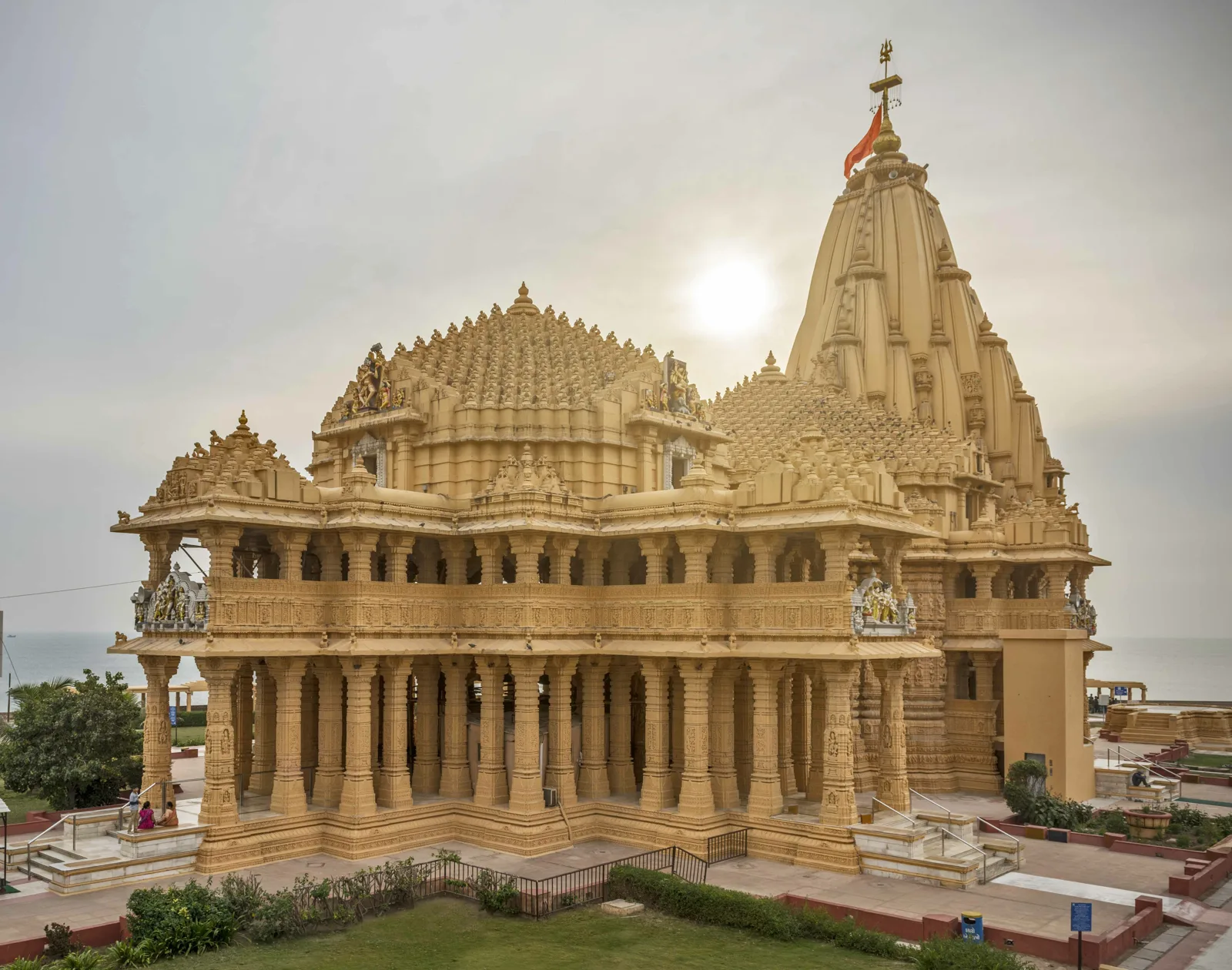
Somnath Jyotirlinga
Prabhas Patan, Gir Somnath, Gujarat
The first among the twelve Jyotirlingas, standing on the Arabian Sea coast at Prabhas Patan and rebuilt several times through history.
Best: Oct – Mar
From the Arabian Sea at Somnath to the Himalayas of Kedarnath and the sacred shores of Rameswaram, the twelve Jyotirlingas form one of India's most revered Shiva pilgrimage traditions. Explore each destination below and speak with Bharat Yatra to plan a journey suited to your dates, family and spiritual interests.
Few pilgrimage traditions in India carry the geographic and spiritual reach of the twelve Jyotirlingas. Spread from the western coast of Gujarat to the eastern hills of Jharkhand, from the high Himalayas of Uttarakhand to the southern tip of Tamil Nadu, these twelve shrines are among the most revered sites within Shaiva tradition — the strand of Hindu devotion centred on the worship of Lord Shiva.
This guide brings together what a first-time pilgrim needs to know about all twelve Jyotirlingas in one place: what a Jyotirlinga is, why devotees undertake these journeys, a concise introduction to each of the twelve destinations, and practical guidance on how to plan a visit — including for travellers starting their journey from Kolkata and West Bengal.
A Jyotirlinga (literally, "linga of light") is a shrine where Shiva is traditionally believed to have manifested in the form of a radiant, formless column of light. According to Shaiva scripture and Puranic tradition, there are twelve such principal shrines across India, each associated with its own local legend, temple architecture and ritual calendar.
Unlike a single unified temple complex, the twelve Jyotirlingas are independent sites, each managed by its own temple authorities, with its own history and its own place within regional pilgrimage practice. What connects them is the shared devotional tradition — devotees traditionally regard darshan at a Jyotirlinga as a particularly significant form of Shiva worship, distinct from worship at any other Shiva temple.
Reasons for undertaking a Jyotirlinga yatra vary from pilgrim to pilgrim. Some travel purely out of devotion or family tradition, treating a visit to one or more Jyotirlingas as an expression of personal faith. Others undertake the journey as part of a broader life milestone — marking a significant birthday, a family event, or a period of reflection.
Within traditional Vedic astrology, Shiva worship is also associated with several remedial practices — see our articles on pilgrimage as an astrological remedy and the connection between astrology and pilgrimage for a fuller explanation. As with all content on this site, these practices are presented as matters of faith and tradition, not as guarantees of a specific outcome.
Each destination below links to a full pilgrimage guide covering the temple, its traditions, how to reach it, and practical travel notes.
GujaratPrabhas Patan, Gir Somnath, Gujarat
The first among the twelve Jyotirlingas, standing on the Arabian Sea coast at Prabhas Patan and rebuilt several times through history.
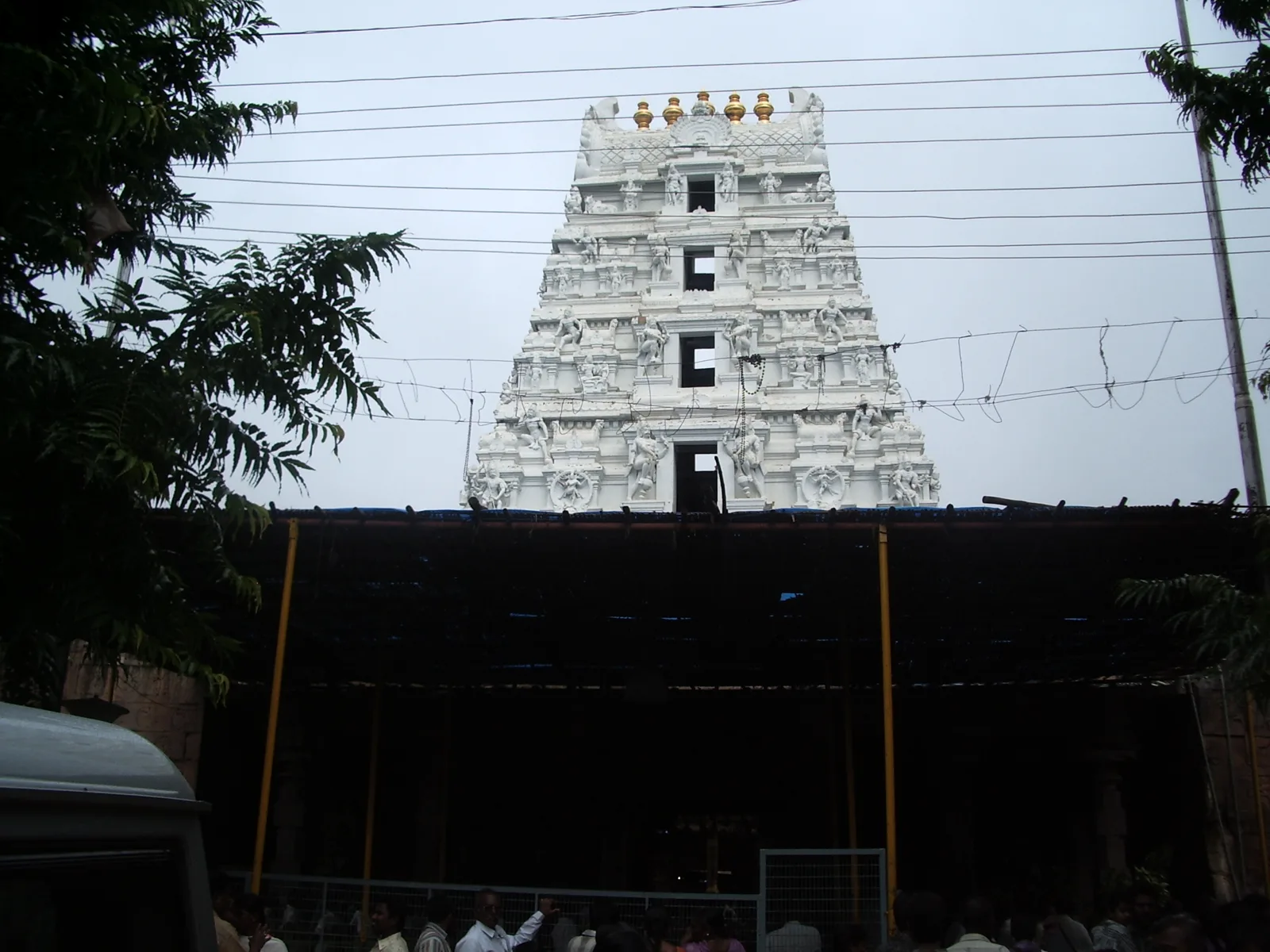 Andhra Pradesh
Srisailam, Nandyal District, Andhra Pradesh
Set on the Nallamala hills above the Krishna river, Srisailam is one of the few sites where a Jyotirlinga and a Shakti Peeth are believed to stand together.
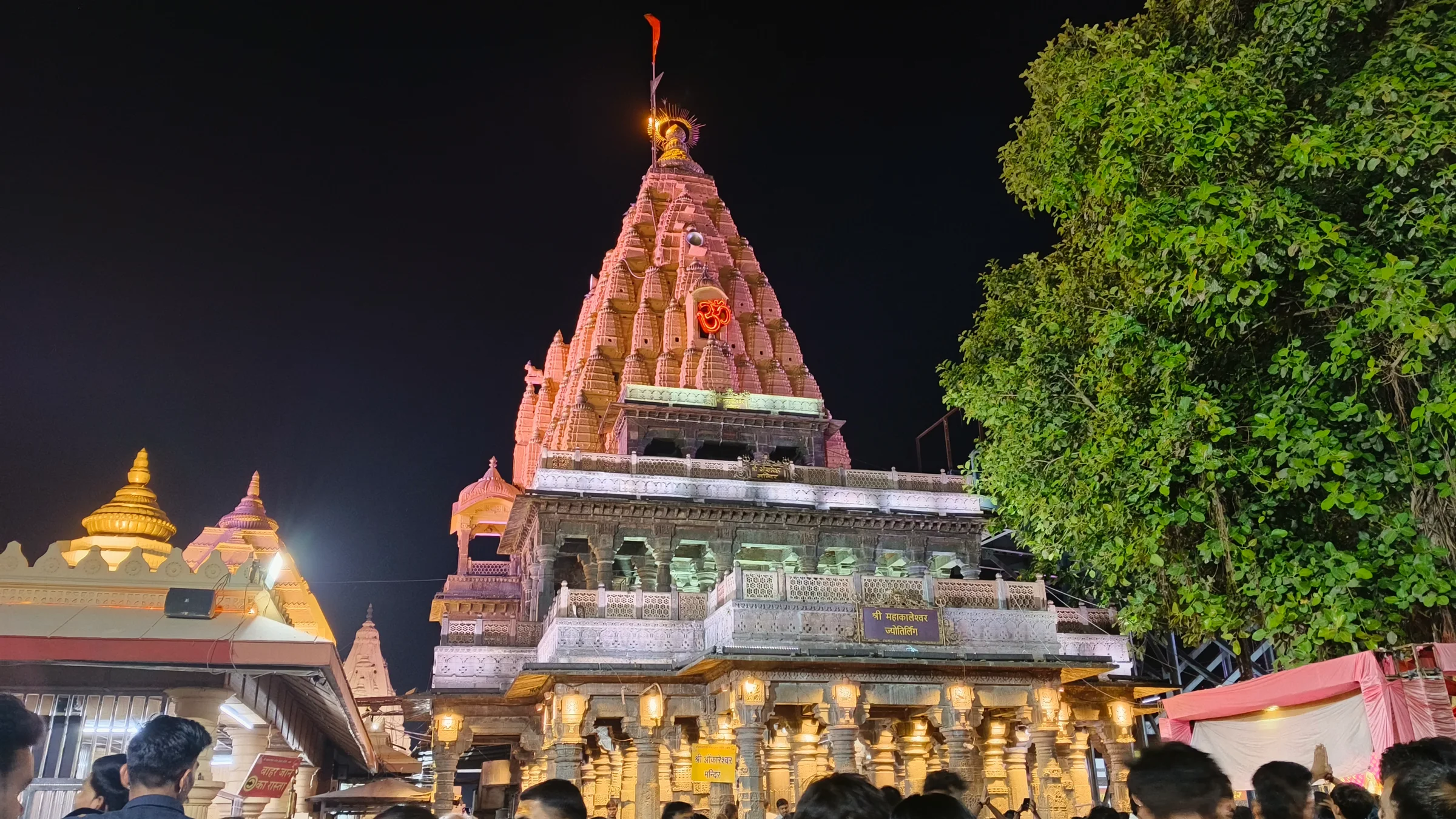 Madhya Pradesh
Ujjain, Madhya Pradesh
One of the few Jyotirlingas facing south, famed for its pre-dawn Bhasma Aarti and its place at the heart of Ujjain's pilgrimage circuit.
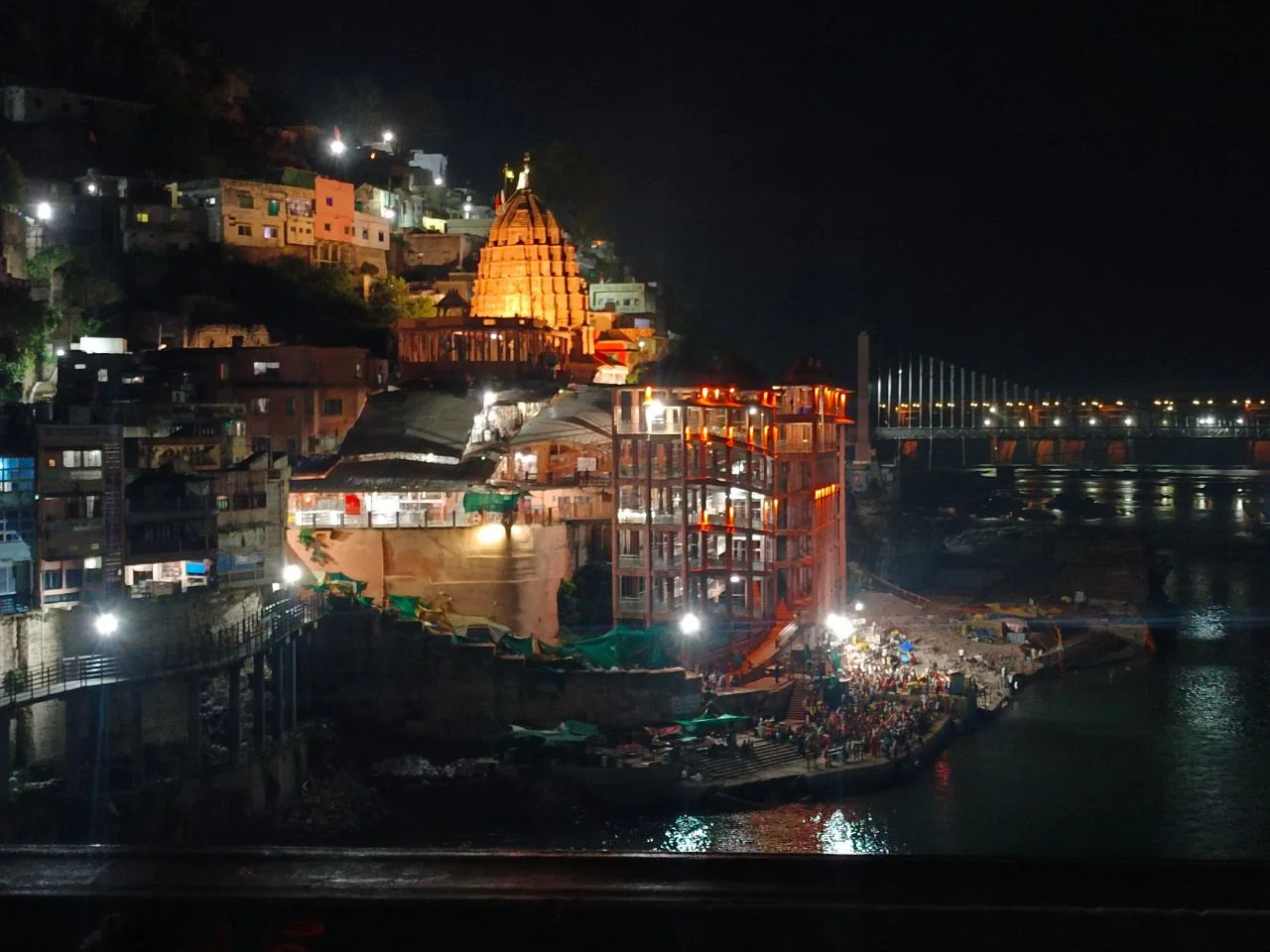 Madhya Pradesh
Omkareshwar, Madhya Pradesh
An island temple on the Narmada river shaped, according to tradition, like the sacred symbol Om, and often paired with Mahakaleshwar in a single yatra.
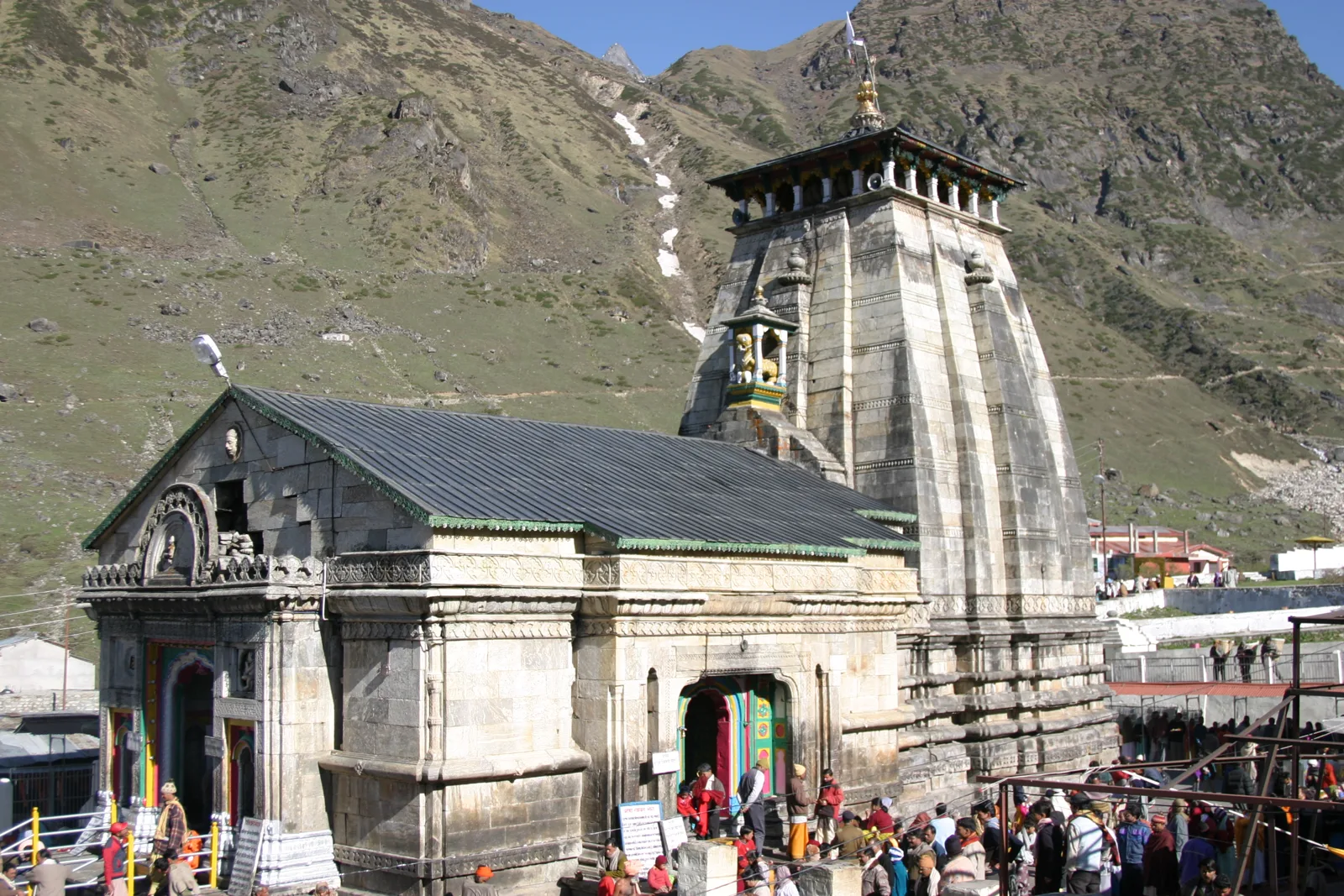 Uttarakhand
Kedarnath, Rudraprayag District, Uttarakhand
The highest and most physically demanding of the twelve Jyotirlingas, set in the Himalayas and open to pilgrims only for part of the year.
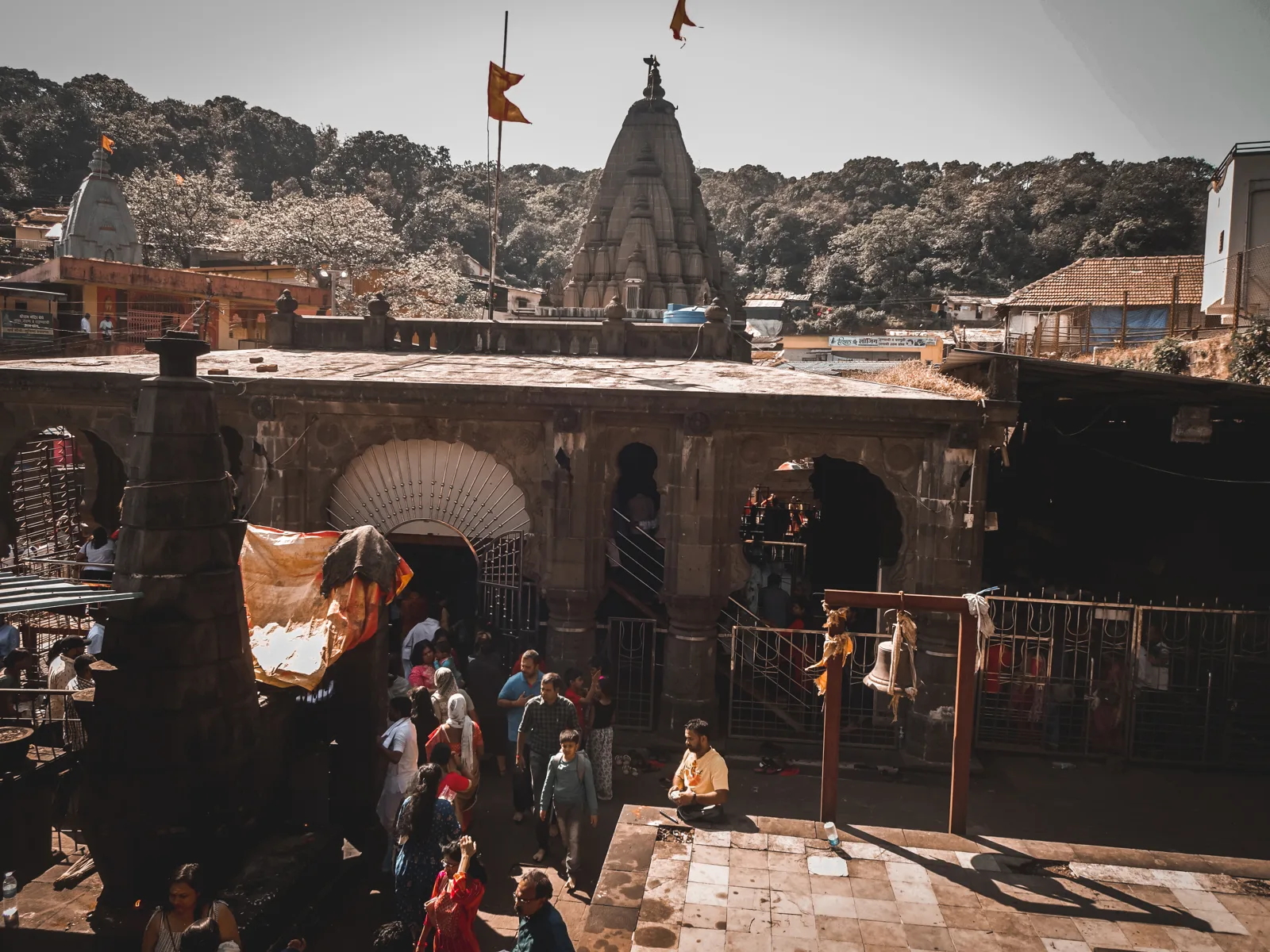 Maharashtra
Bhimashankar, Maharashtra
Hidden in the Sahyadri hills of Maharashtra and surrounded by a designated wildlife sanctuary, this Jyotirlinga is also the source of the Bhima river.
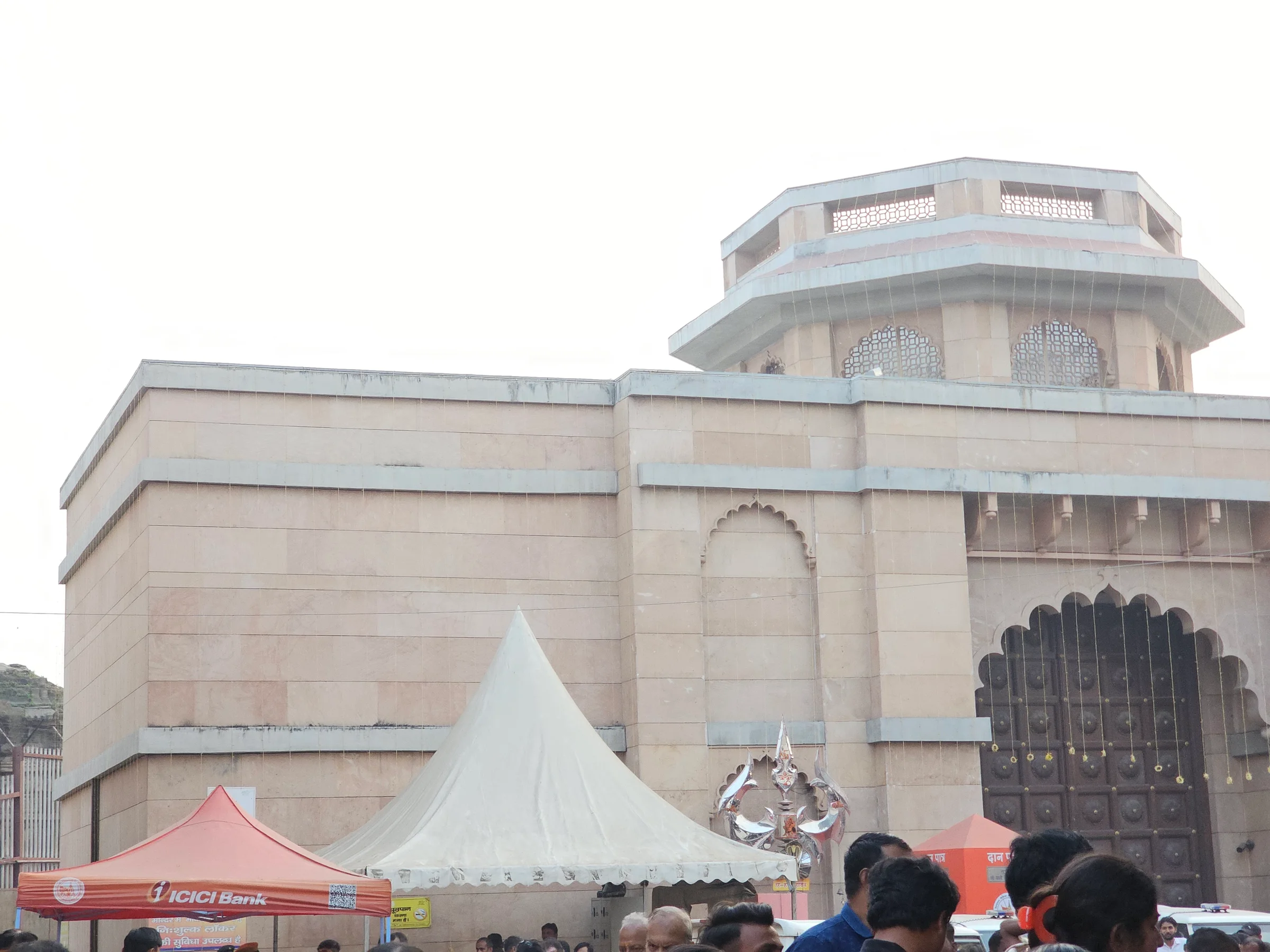 Uttar Pradesh
Varanasi, Uttar Pradesh
Standing beside the Ganga in one of India's most ancient and spiritually significant cities, Kashi Vishwanath is among the most visited of the twelve Jyotirlingas.
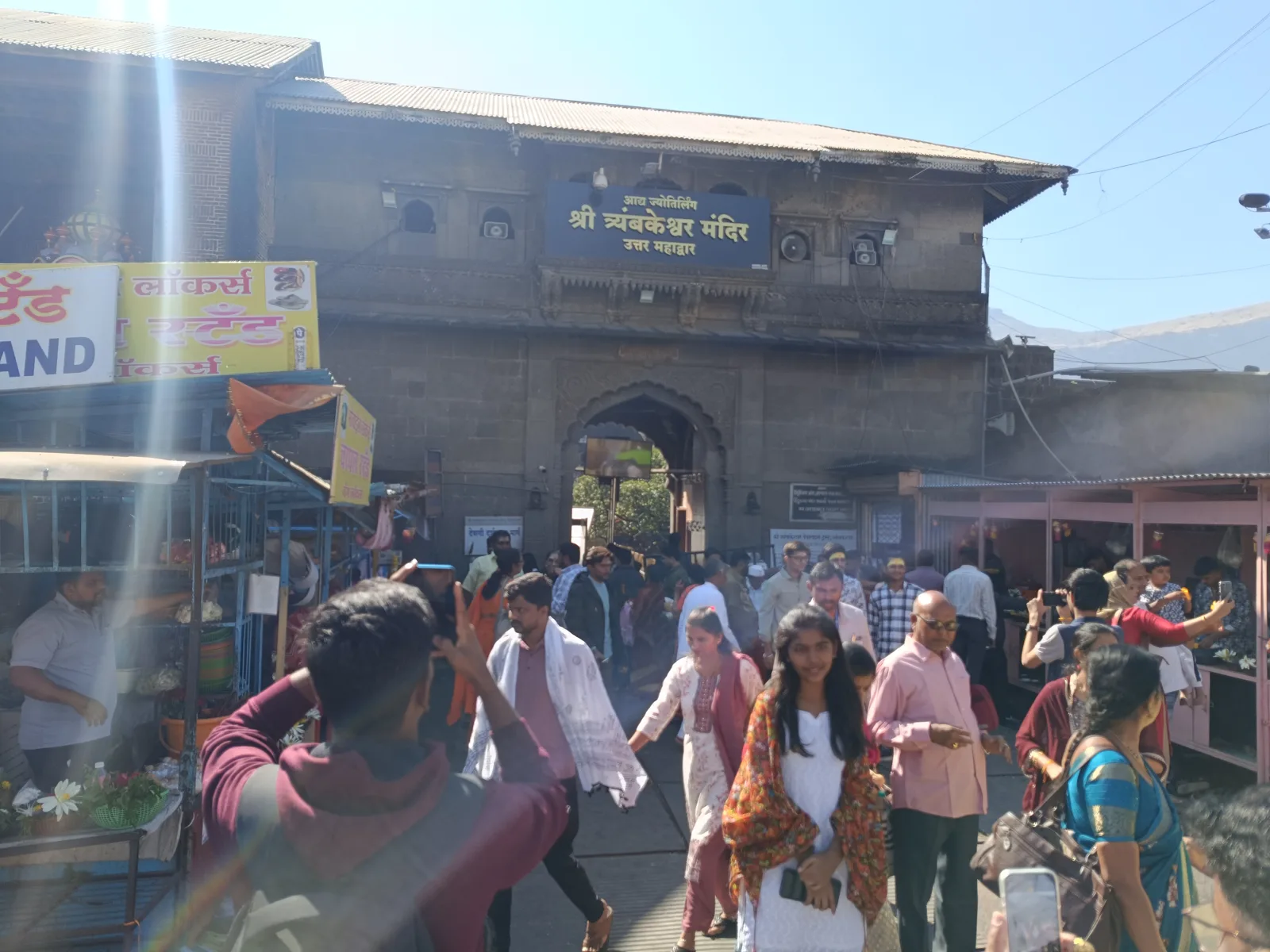 Maharashtra
Trimbak, Nashik District, Maharashtra
Near the source of the Godavari river close to Nashik, Trimbakeshwar is known for its three small lingas representing Brahma, Vishnu and Shiva.
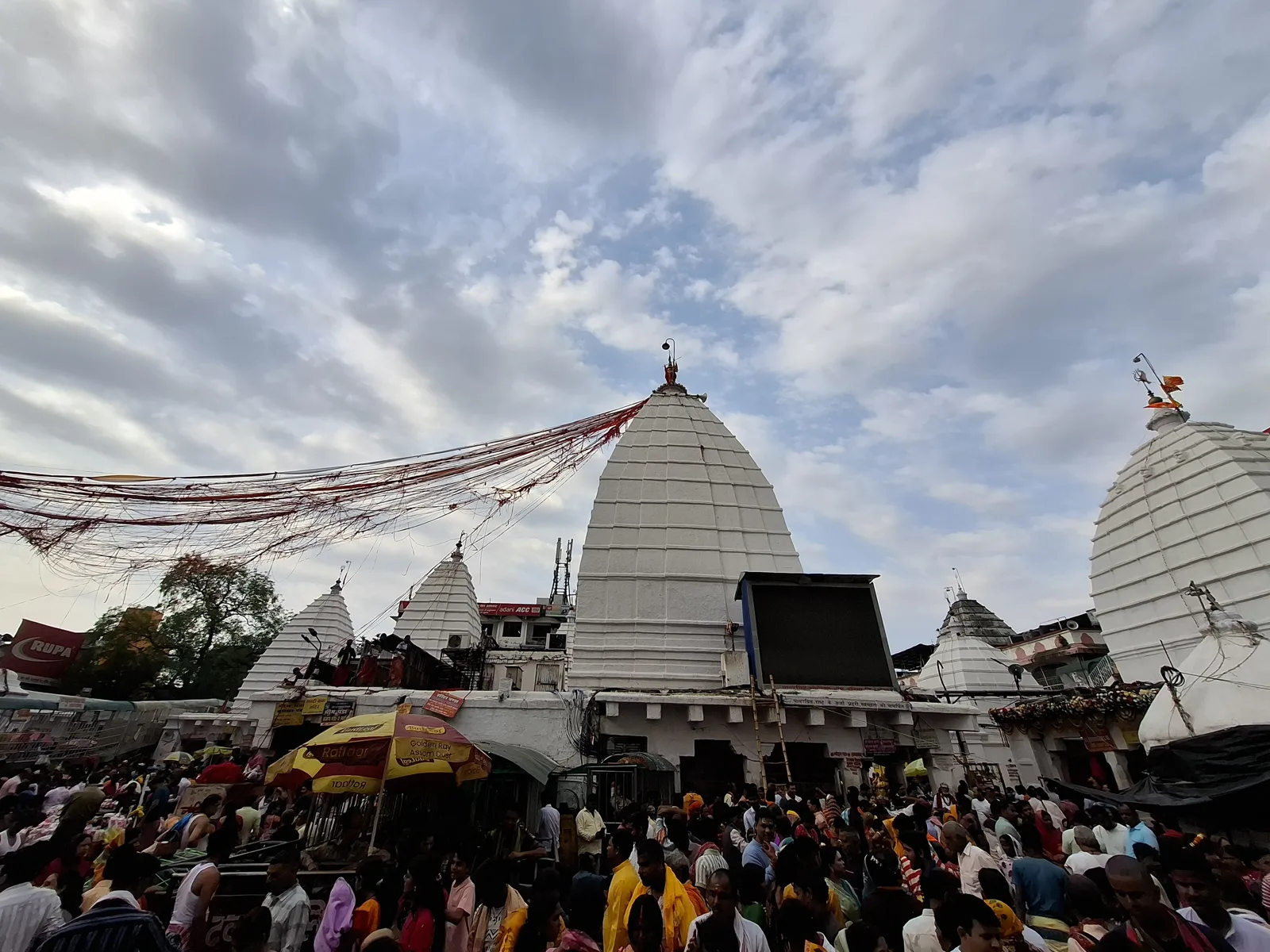 Jharkhand
Deoghar, Jharkhand
Known as Baidyanath Dham, this Jyotirlinga in Deoghar is the destination of the famous Kanwar Yatra, when devotees carry Ganga water on foot from Sultanganj.
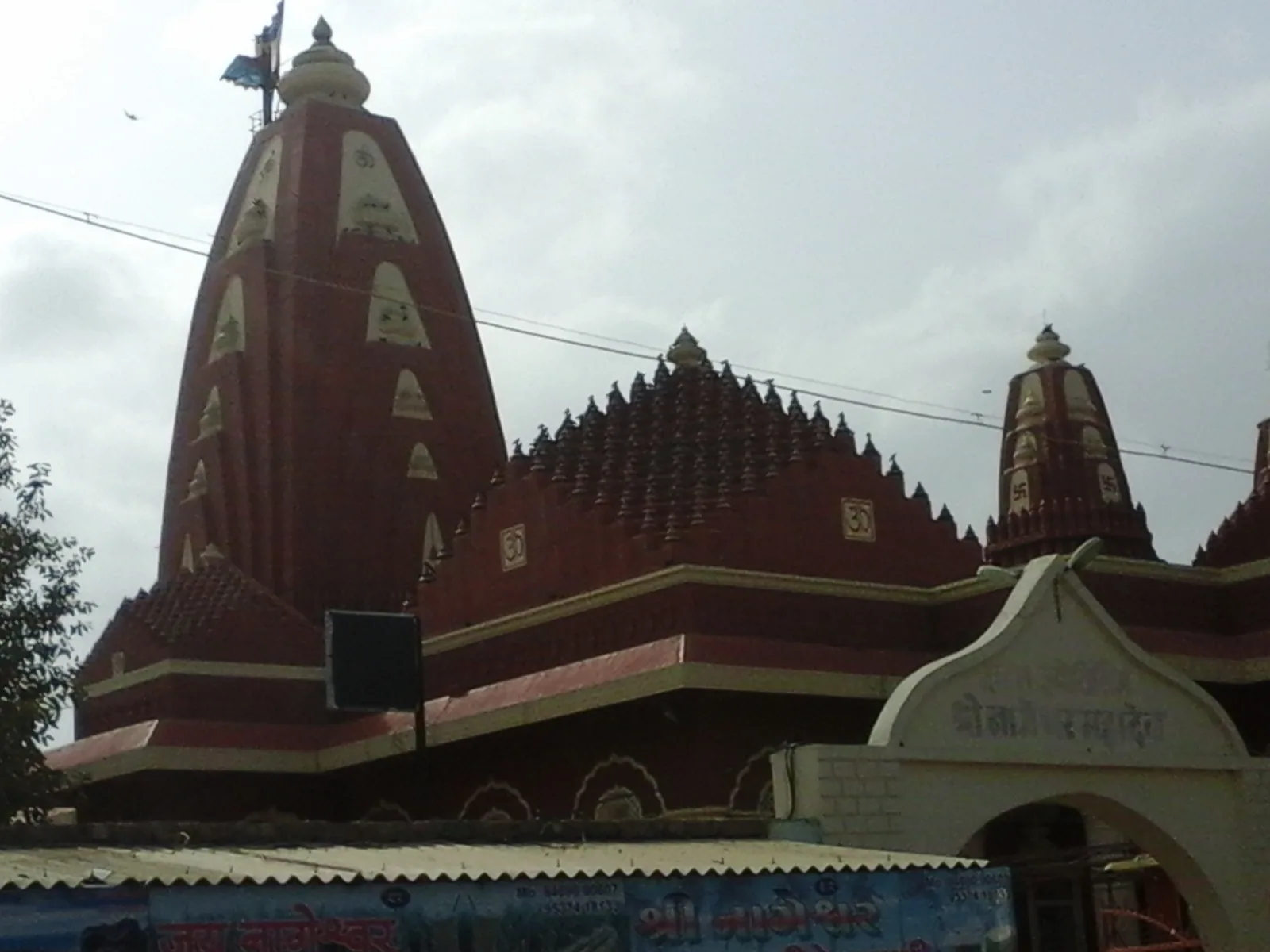 Gujarat
Devbhoomi Dwarka, Gujarat
Near Dwarka on Gujarat's coast, Nageshwar is traditionally associated with protection from poison and danger, and features a large outdoor Shiva statue.
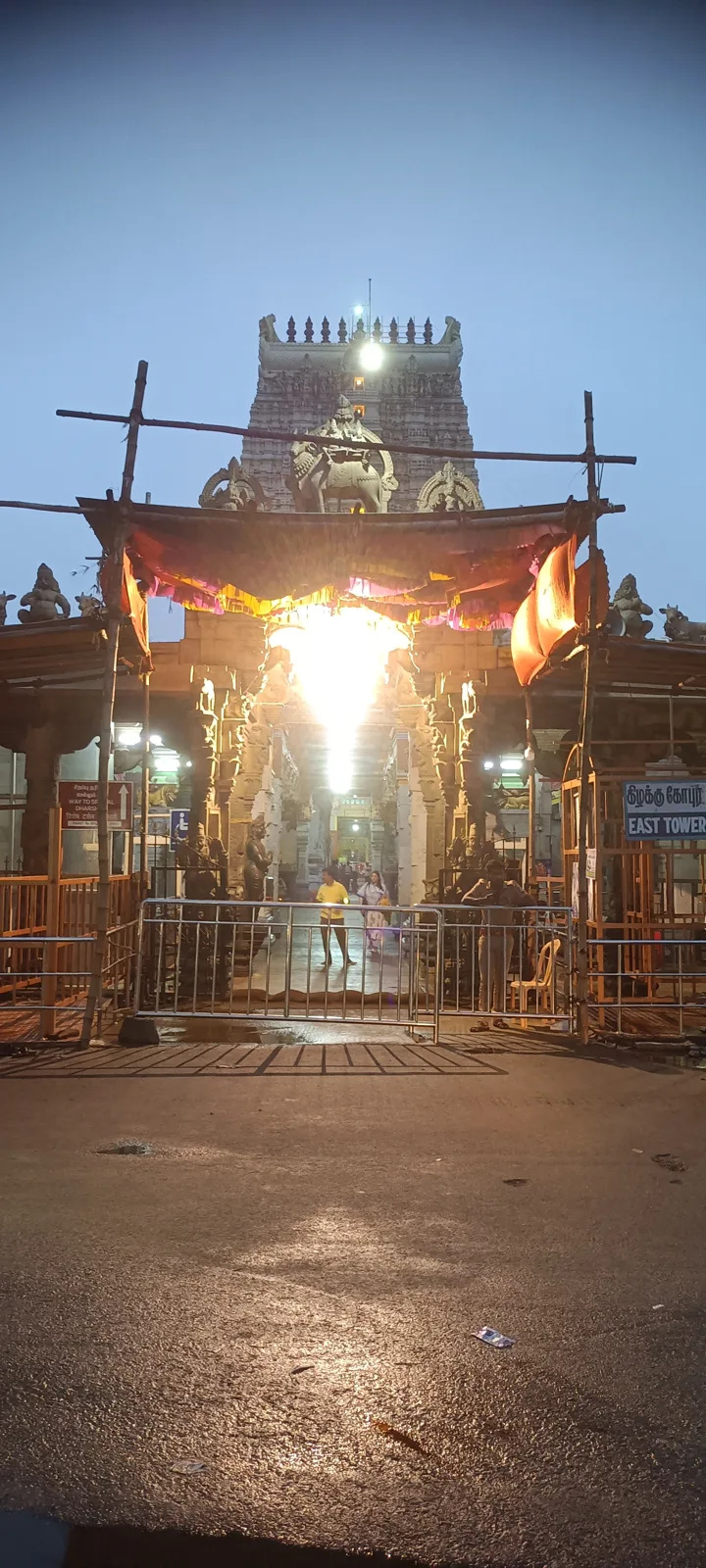 Tamil Nadu
Rameswaram, Tamil Nadu
On an island at the southern tip of India, Rameswaram is famous for its long pillared corridors and its traditional link to the Ramayana.
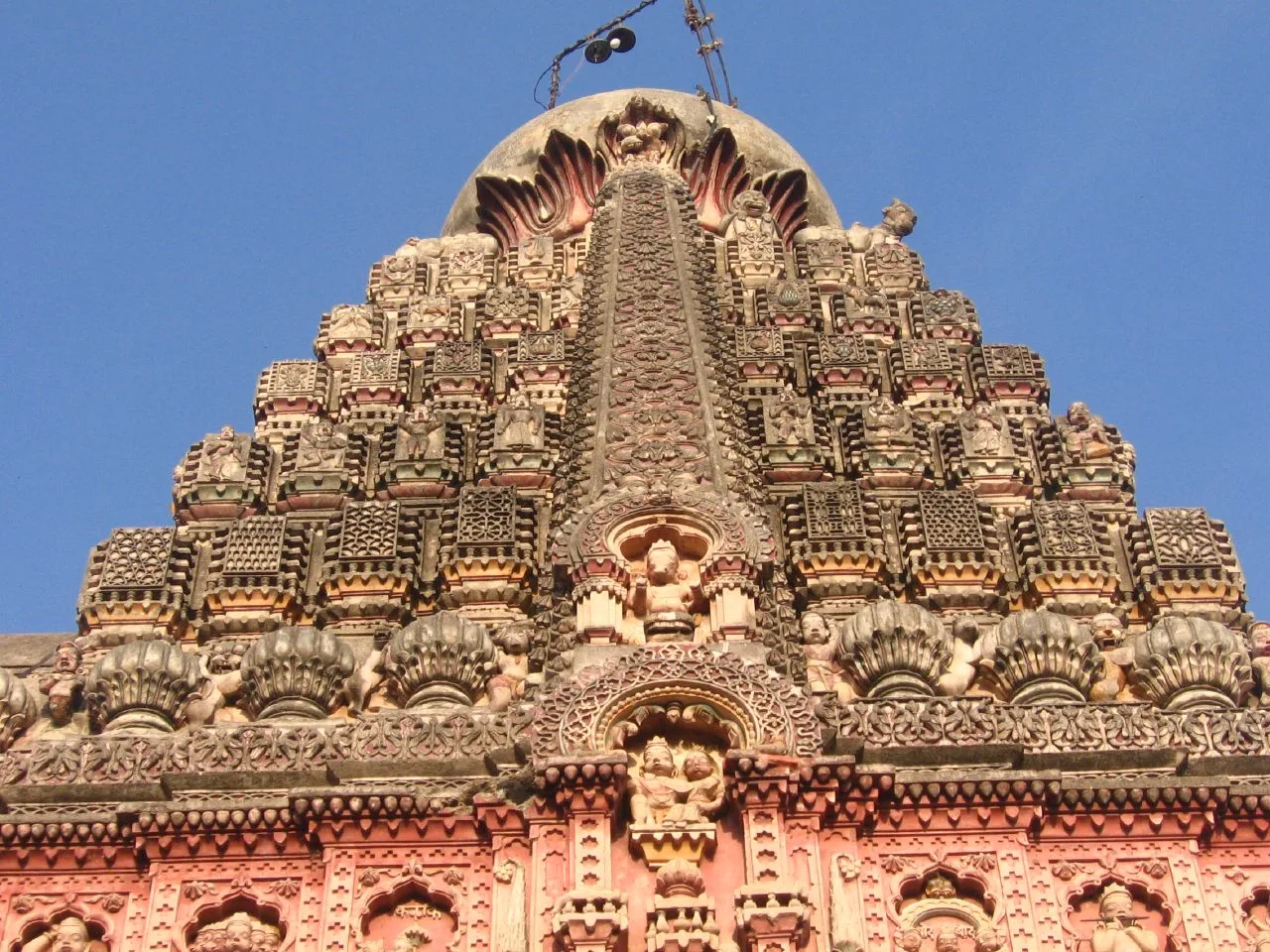 Maharashtra
Verul (Ellora), Maharashtra
The twelfth and final Jyotirlinga, standing near the Ellora Caves in Maharashtra and rebuilt under the patronage of Maharani Ahilyabai Holkar.
Whether you want to visit a single Jyotirlinga or combine several into one regional circuit, our team can help you plan the route, transport and stay.
Somnath, on the Gujarat coast at Prabhas Patan, is traditionally counted as the first of the twelve Jyotirlingas. The present temple, rebuilt in the Chalukya style, stands directly facing the Arabian Sea.
Read the full Somnath guide →Mallikarjuna Jyotirlinga at Srisailam, in the Nallamala hills of Andhra Pradesh overlooking the Krishna river, is traditionally considered significant not only as a Jyotirlinga but also as one of the Shakti Peethas, where the goddess is worshipped as Bhramaramba.
Read the full Mallikarjuna guide →Shri Mahakaleshwar Jyotirlinga in Ujjain, Madhya Pradesh, is one of only a few Jyotirlingas whose sanctum faces south, a feature traditionally described as distinct within Shaiva ritual practice.
Read the full Mahakaleshwar guide →Omkareshwar Jyotirlinga stands on Mandhata Island in the Narmada river, Madhya Pradesh. The island's outline is traditionally described as resembling the shape of the sacred syllable Om, giving the temple its name.
Read the full Omkareshwar guide →Kedarnath Jyotirlinga sits at an elevation of roughly 3,583 metres in the Garhwal Himalayas, Uttarakhand, and is one of the four sites in the Chota Char Dham pilgrimage circuit as well as one of the twelve Jyotirlingas.
Read the full Kedarnath guide →Bhimashankar Jyotirlinga is located in the Sahyadri hills of Maharashtra, within the Bhimashankar Wildlife Sanctuary, and is traditionally regarded as the origin point of the Bhima river.
Read the full Bhimashankar guide →Shri Kashi Vishwanath Jyotirlinga, in the heart of Varanasi on the banks of the Ganga, is one of the most visited of the twelve Jyotirlingas and central to the wider spiritual identity of Kashi.
Read the full Kashi Vishwanath guide →Trimbakeshwar Jyotirlinga, near Nashik in Maharashtra, stands close to the source of the Godavari, one of India's major rivers, in the town of Trimbak at the base of Brahmagiri hill.
Read the full Trimbakeshwar guide →Baba Baidyanath Jyotirlinga, in Deoghar, Jharkhand, is widely known as Baidyanath Dham and is one of the most visited pilgrimage sites in eastern India, drawing devotees from West Bengal, Bihar, Jharkhand and beyond.
Read the full Baidyanath Dham guide →Nageshwar Jyotirlinga stands near Dwarka in Devbhoomi Dwarka district, Gujarat, and is traditionally associated with protection from poison, danger and negative influences, drawing its name from "Naga," meaning serpent.
Read the full Nageshwar guide →Ramanathaswamy Jyotirlinga at Rameswaram, on Pamban Island off the Tamil Nadu coast, is traditionally associated with Lord Rama and is one of the Char Dham sites as well as one of the twelve Jyotirlingas.
Read the full Rameswaram guide →Grishneshwar Jyotirlinga, at Verul near the Ellora Caves in Maharashtra, is traditionally counted as the last of the twelve Jyotirlingas, completing the pilgrimage cycle for devotees who visit all twelve.
Read the full Grishneshwar guide →Given how widely the twelve Jyotirlingas are spread across India, planning usually starts with a simple question: how many destinations, over how many days, and starting from where? Most pilgrims find it more practical to visit the Jyotirlingas in regional groups over multiple journeys rather than attempting all twelve in a single trip.
A realistic plan generally accounts for flight or train connections to the nearest major city, onward road travel to the temple town itself (which can range from under an hour to a full day, depending on the destination), and enough time at each site for unhurried darshan rather than a rushed visit. Physically demanding destinations such as Kedarnath also need an honest conversation about fitness, altitude and travel dates well in advance.
Our team can help with each of these decisions — sequencing destinations sensibly, matching the itinerary to your available dates, and coordinating transport and accommodation along the way.
Grouping nearby Jyotirlingas into a single regional circuit is generally the most efficient way to cover multiple destinations without excessive travel time between them.
Mahakaleshwar (Ujjain) and Omkareshwar, around 2.5 hours apart by road — our most established circuit, which can also be extended to Maa Baglamukhi Nalkheda.
Somnath and Nageshwar (near Dwarka), roughly 4–5 hours apart, often combined with Dwarkadhish Temple.
Bhimashankar, Trimbakeshwar and Grishneshwar — three Jyotirlingas within a Pune–Nashik–Aurangabad triangle, with Grishneshwar easily paired with the Ellora Caves.
Kashi Vishwanath, Kedarnath, Mallikarjuna (Srisailam), Baba Baidyanath (Deoghar) and Rameswaram are geographically distant from the other Jyotirlingas and are generally planned as their own dedicated journeys.
For pilgrims based in Kolkata and West Bengal, three Jyotirlingas are particularly convenient. Baba Baidyanath Dham in Deoghar is the most accessible, reachable by direct rail connections from Kolkata/Howrah to Jasidih Junction in a matter of hours. Shri Kashi Vishwanath in Varanasi and the Mahakaleshwar–Omkareshwar circuit in Madhya Pradesh are both covered by our existing featured yatras, each departing with Kolkata-based travellers in mind.
The remaining Jyotirlingas — Somnath, Nageshwar, Mallikarjuna, Kedarnath, Bhimashankar, Trimbakeshwar, Rameswaram and Grishneshwar — require a flight connection from Kolkata to the nearest major city, followed by onward road travel. These are entirely feasible as custom itineraries; our team can help plan flight timing, ground transport and accommodation around your dates.
The twelve Jyotirlingas are Somnath (Gujarat), Mallikarjuna (Srisailam, Andhra Pradesh), Mahakaleshwar (Ujjain, Madhya Pradesh), Omkareshwar (Madhya Pradesh), Kedarnath (Uttarakhand), Bhimashankar (Maharashtra), Kashi Vishwanath (Varanasi, Uttar Pradesh), Trimbakeshwar (Maharashtra), Baba Baidyanath (Deoghar, Jharkhand), Nageshwar (Dwarka, Gujarat), Ramanathaswamy (Rameswaram, Tamil Nadu) and Grishneshwar (Verul/Ellora, Maharashtra).
Tell us which destinations interest you and we'll help you plan the journey.